
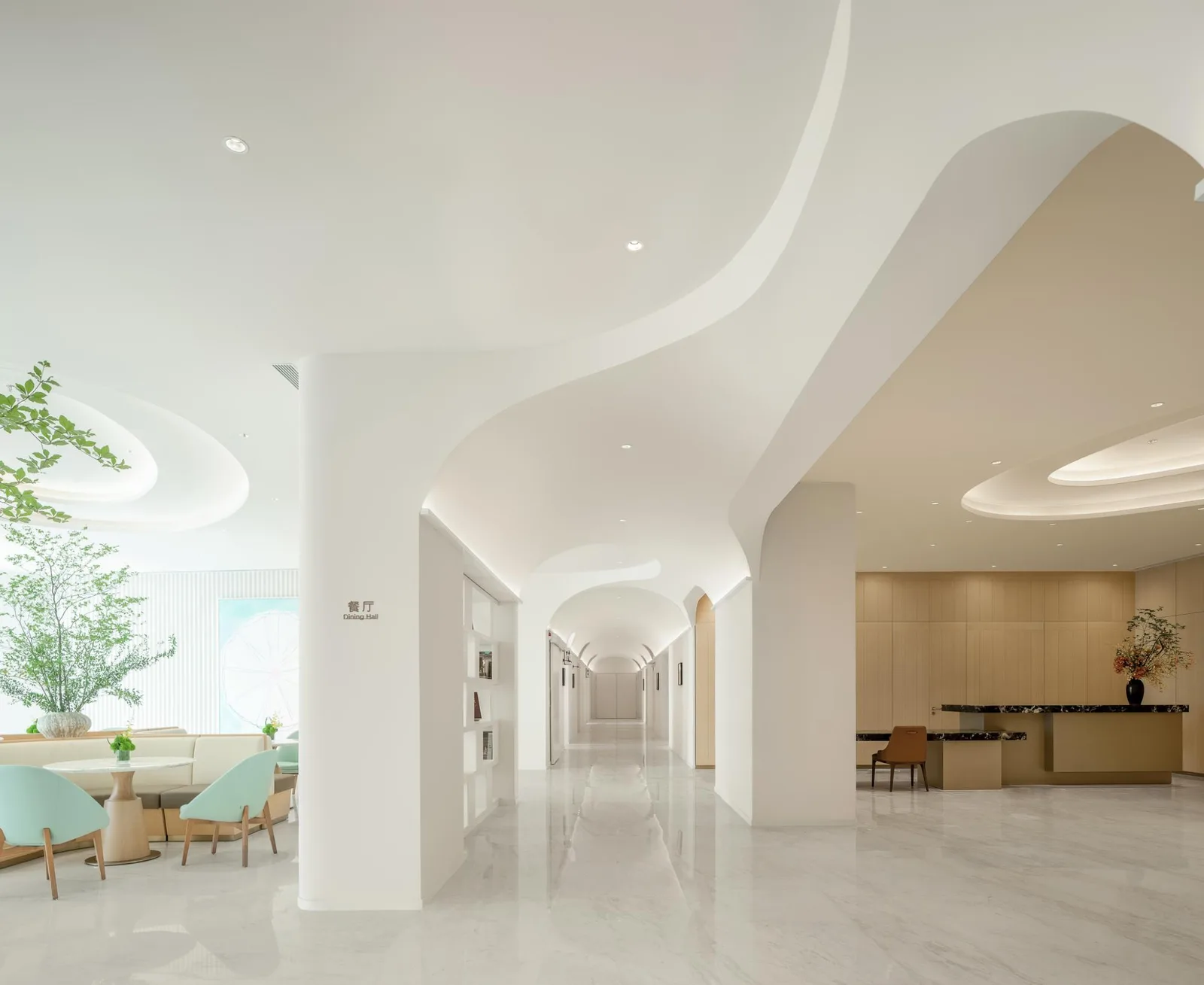
Partner hospital
Shenzhen Qianhai Taikang Hospital
Shenzhen Qianhai Taikang Hospital
Shenzhen Qianhai · Guangdong-Hong Kong-Macao Greater Bay Area
9Departments published
15Cases published
3Departments with firsts

Mixed English/Malay Malaysian records are fragmented, and ordinary translation loses the clinical nuance. We rebuild them to National Health Commission standard and route them straight to the matching Grade 3A director team: "standardised restructuring → direct specialist submission → 48h on-arrival handover → follow-up by your Malaysian doctor".
Strictly aligned with the National Health Commission's Standards for Inpatient Medical Record Documentation, so you no longer lose time to repeated rejections caused by non-compliant records.
Covering leading general and specialist hospitals such as Peking Union Medical College Hospital, Ruijin Hospital Shanghai and Sun Yat-sen University Cancer Center, with dedicated specialists for dedicated conditions.
Malaysian passport holders enjoy convenient visa-free entry; for critically ill patients, an S2 medical escort visa can be issued urgently within 48 hours on the strength of an admission letter from a Grade 3A hospital.
Compared with the high exchange rates and steep premiums of Singapore, Europe and the United States, the total spend on equivalent proton therapy or new CAR-T technologies at Chinese Grade 3A hospitals is only a fraction of theirs.
We are not a traditional medical agency selling appointment slots and earning margins on drug costs. We are a professional cross-border medical assistance and referral organisation focused on "standardised cross-border restructuring of medical records + precise routing to leading Grade 3A specialists + written specialist review and connection with the receiving hospital".
We are not a hospital agent and never act as a "scalper" reselling appointment slots. Drawing on critical-care clinical and medical translation teams in both Malaysia and China, we serve as the "clinical language interpreter" and "precise routing hub" between patients and China's leading specialist directors.
Holding medicine in reverence, YILV CHINA makes no unilateral medical assertions. All diagnoses, genomic targeted-therapy plans and surgical pathways are determined independently by the director-led specialist teams of the relevant national Grade 3A public hospitals in China, after review of the actual findings on admission.
We apply a strict "separation of three payment streams": all inpatient, examination and treatment costs are settled by the patient or family directly at the cashier of the Chinese public hospital. The platform never handles medical payments and charges only a fixed, clearly disclosed service fee.
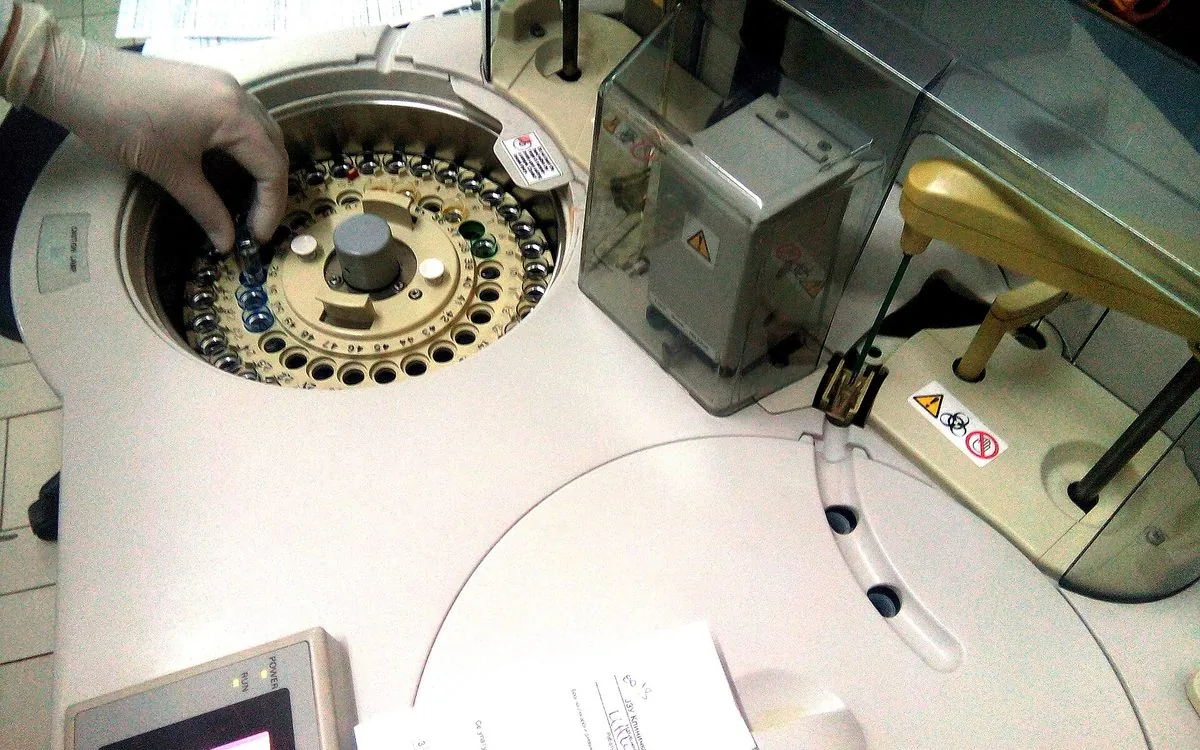
We deconstruct and rebuild fragmented data - mixed English/Malay handwritten discharge summaries, immunohistochemistry pathology and DICOM discs from Malaysian private hospitals (Gleneagles/Pantai/Sunway and others) and government GH hospitals - into standard documents that comply with the National Health Commission's Standards for Inpatient Medical Record Documentation and ICD-10 coding, so Chinese specialists can grasp the core disease course and mutation sites within 3 minutes.
Breaking down cross-border information barriers and random doctor-shopping. Based on the specific mutation subtype (such as rare fusions or meningeal metastasis) and the difficulty of the procedure, we submit the case directly to director-led physician teams ranked in China's top three for that specialty. You obtain a firm admission intention, a bed schedule and a preliminary treatment assessment, instead of travelling to China blindly and queuing passively.
After arrival in China, the receiving hospital team arranges the private car airport pickup, accompaniment for hospital registration, the case briefing with the ward team, and Halal meals and living arrangements. At the discharge stage that team prepares the bilingual discharge documentation required by Malaysian commercial insurers (Great Eastern/AIA/Prudential/Takaful), and hands the plan over to your attending doctor in Malaysia.
The more transparent the information, the more confident your choice. We keep our service terms and cost structure in plain sight.
| Comparison | Traditional overseas medical agencies | check_circleYILV CHINA |
|---|---|---|
| Fee model and business conduct | Expensive bundled packages, covert high rebates taken from hospitals or drug suppliers, and opaque bills | Three payment streams strictly separated; patients pay Grade 3A hospitals directly by card, and we charge only a transparent, clearly stated service fee |
| Records handling and clinical capability | Part-time generalist arts translators doing word-for-word machine translation, with no grasp of pathological mutations or clinical staging, so records are often rejected by Grade 3A hospitals | In-depth review by a dually licensed Malaysia-China medical team; records are clinically re-engineered to National Health Commission and ICD-10 standards and pass Grade 3A review first time |
| Depth of specialist engagement | Online booking of ordinary appointments or high-priced international department clinics, with no real command of China's subspecialty clinical frontier | Direct access to director-level expert teams at National Medical Centres ranked in China's top three; admission assessment and bed scheduling are secured before you leave the country |
| Support on the ground and follow-up | On-the-ground support is often subcontracted to casual freelance guides; service ends abruptly at discharge, with no handover after returning to Malaysia | The receiving hospital team handles on-the-ground reception throughout the China stay; at discharge it prepares the complete Malaysian insurance claims dossier, and follow-up after your return is carried out by your attending doctor in Malaysia |
The key specialists and partner hospitals below are all on our verified roster. Portraits and titles are taken from the hospitals' own publicly available profiles; actual clinics and scheduling follow the hospital's current arrangements, and the platform helps open the departmental assessment channel.
Candidate site for a National Medical Centre · Guangzhou international medical hub
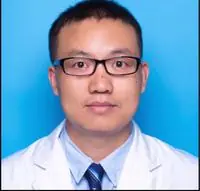
Director-level lead in spine surgery · expert in complex deformity correction
Long-term commitment to the correction of severe scoliosis, osteotomy for kyphotic deformity in ankylosing spondylitis, complex cervical and lumbar revision surgery, and precise minimally invasive treatment of degenerative spinal disease. Has led complex spinal reconstruction for international patients on many occasions.
Coordinated centre for orthopaedic trauma care, joint replacement and functional rehabilitation
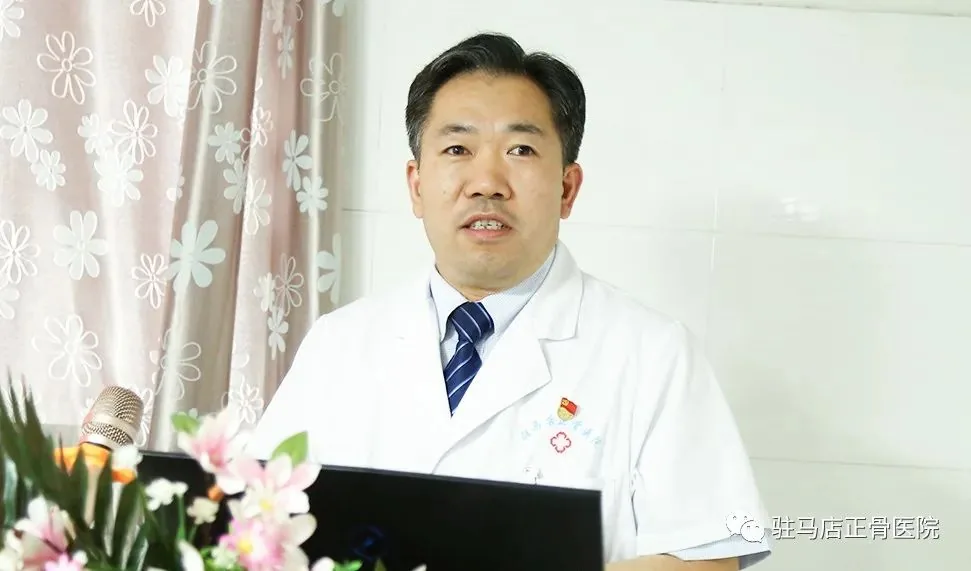
Expert in orthopaedic trauma and complex joint correction
Deep experience in complex total hip and knee replacement, non-union after severe bone trauma and pelvic osteotomy correction. Leads a team with notable results in minimally invasive enhanced recovery after surgery (ERAS) and post-operative integrated Chinese and Western rehabilitation.
Based in Qianhai · a high-quality medical flagship in the Greater Bay Area
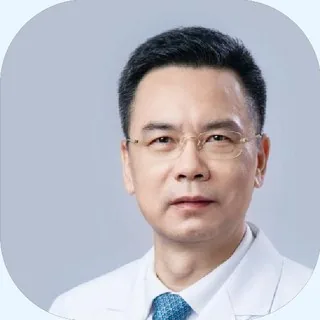
Lead of the Digestive Medicine Centre · former Vice President of The First Affiliated Hospital, Sun Yat-sen University
A leading figure in Chinese gastroenterology, among the world's top 2% of scientists, and Chair of the 11th Committee of the Chinese Society of Gastroenterology. The hospital's "6+N" key disciplines cover digestive medicine, urology, oncology and geriatric medicine.
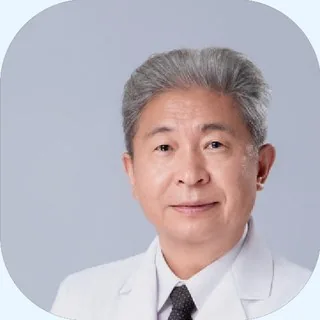
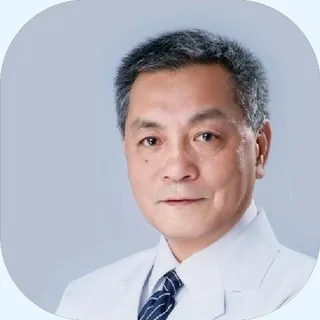
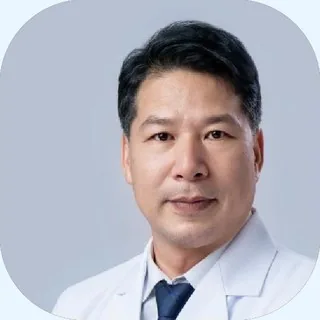
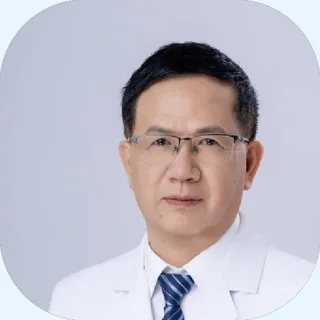
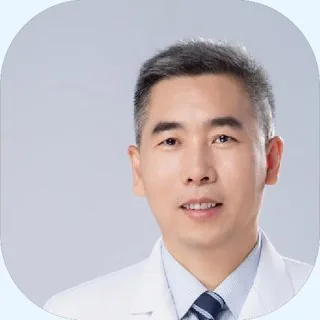
The 18 clinicians below are taken from our partner hospitals’ publicly available official profiles (the full roster lists 41); they cover gastroenterology, urology, oncology, orthopaedics, cardiovascular, neurology and more.
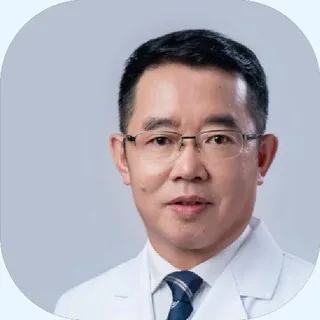
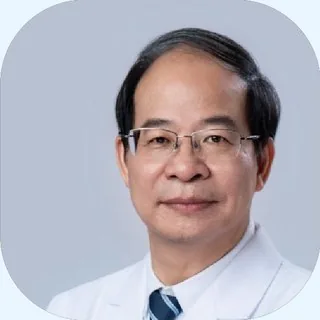


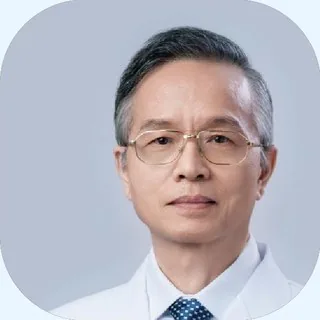

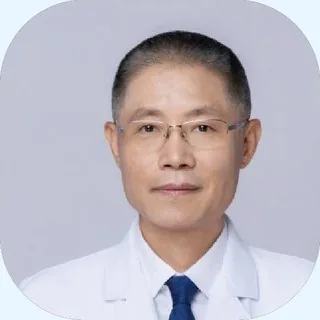





Turning fragmented medical documents from multiple Malaysian sources into high-value strategic intelligence that lets a Chinese specialist director make an accurate admission decision within 3 minutes.
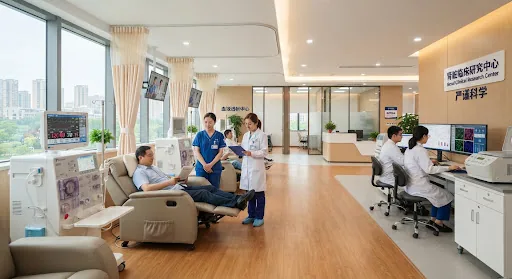
Collecting English discharge summaries, pathology slides, DICOM PET-CT discs and complete laboratory sets from Gleneagles, Sunway, Pantai and Malaysian government hospitals (GH).
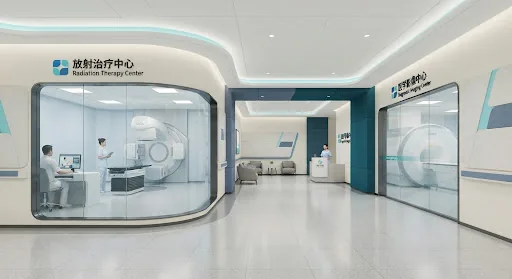
Dually licensed Malaysia-China medical specialists classify and re-code to ICD-10 standards along the axis of present-illness progression, prior lines of therapy and resistance profile, and molecular mutation sites.
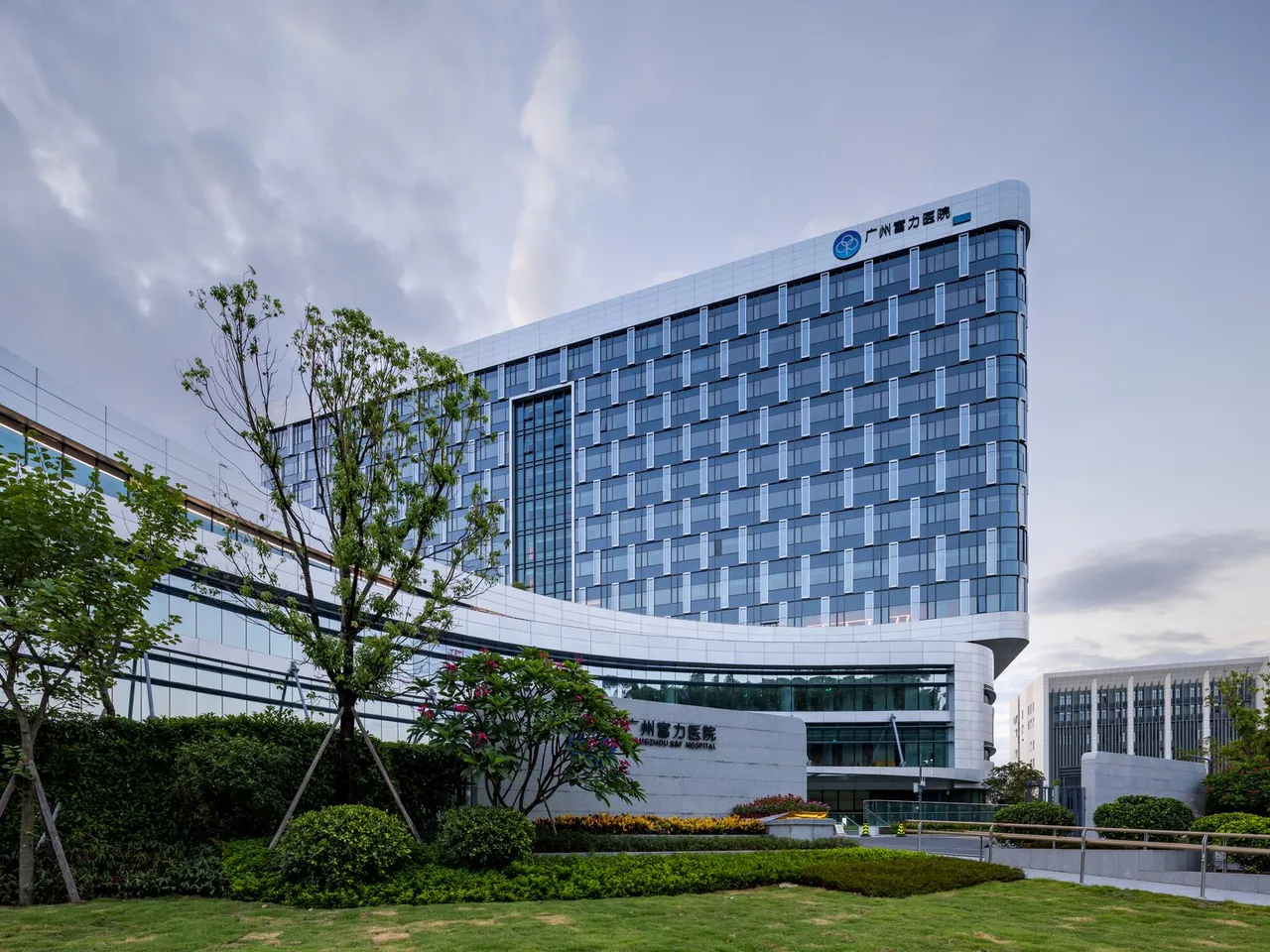
Rather than chasing a hospital's reputation, we submit the case directly to the director of the top-three nationally ranked subspecialty department, based on the patient's specific mutation subtype, proton conformal angles or minimally invasive procedure.
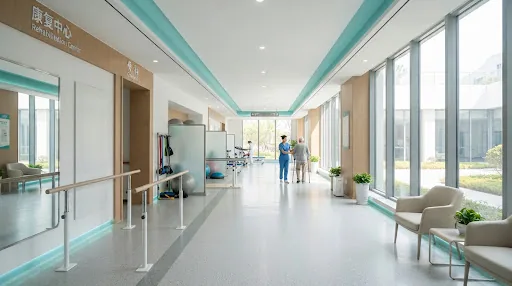
The receiving hospital team arranges the private car airport transfer and bilingual medical interpretation through admission and the simultaneous case briefing; at discharge that team prepares the Malaysian insurance claim documents and hands the long-term follow-up plan to your attending doctor in Malaysia.
An objective comparison of the 5 medical destinations Malaysian patients most often choose, cutting through the information fog so you can weigh clinical depth against total cost.
| Comparison | 🇲🇾 Private Malaysia | 🇸🇬 Singapore | 🇹🇭 Thailand | 🇮🇳 India | verified🇨🇳 China (national Grade 3A elite) |
|---|---|---|---|---|---|
| Advanced technology (CAR-T / proton and heavy ion / new drugs) | General surgery and routine treatment are mature; novel cell therapies and frontier targeted drugs are approved 2-3 years later | Strong technology, fast synchronisation with Europe and the United States, high research capability | Strong in wellness retreats, light aesthetic medicine and routine minimally invasive care; limited depth in major complex tumours | Abundant generics and many routine heart, kidney and liver transplant cases | Enormous clinical sample volume; the world's largest number of CAR-T clinical pipelines, several leading proton and heavy ion centres in operation nationwide, and abundant opportunities to enrol in innovative drug trials |
| Total spend and exchange rate | Out-of-pocket costs are reasonable, but some specialty drugs for major rare diseases often exceed policy limits | Exchange rate 3.5 times higher; outpatient, ICU and surgical costs are extremely high, placing heavy pressure on self-paying patients | Mid-range costs are acceptable, but large international private hospitals charge a marked premium for foreign patients | Costs are generally low | Only 1/3 to 1/4 of Singapore's; public Grade 3A pricing is transparent and standardised, and national centralised procurement of drugs and devices has made prices highly approachable |
| Language of communication and depth of discussion | English, Malay and Mandarin are generally no barrier | Smooth communication in Mandarin and English | Heavy reliance on hospital interpreters, so fine medical details are easily distorted | Mainly English with a local accent; families often face communication barriers | Native-level Chinese communication with no psychological distance; Malaysian Chinese patients can discuss their plan candidly with the specialist director |
| Specialist beds and surgical waiting time | Public hospitals often involve months of queuing; private hospitals are faster but some rare subspecialties lack specialist resources | Scheduling is faster but expedited fees are extremely high | Appointments are efficient and international service processes are smooth | Depends on the hospital | Through the YILV CHINA specialist channel, admission intention and a bed are secured before you leave the country; at the earliest, admission and initial tests begin within 72h of arrival |
| Immigration and travel convenience | Local, no need to travel abroad | Visa-free entry; a neighbouring country reachable by a very short land or air hop | Visa-free, about a 2-hour flight | Visa required in advance, long flight, and a demanding adjustment to food and culture | Malaysian passports enjoy 30-day visa-free entry; for critical cases, an official "Admission Letter" from a Grade 3A hospital supports an expedited S2 medical visa; direct flights from Kuala Lumpur take 4h to Guangzhou and 5h to Shanghai |
When a doctor in Malaysia says there is "no better option" or recommends amputation or highly traumatic resection, do not give up lightly. Send your imaging and pathology to a director-led expert panel at a national Grade 3A hospital in China for an objective, independent written assessment of whether more advanced targeted drugs, proton radiotherapy or limb- and function-preserving surgery are possible.
The local private hospital in Malaysia had initially planned pneumonectomy with palliative chemotherapy. On second review of the pathology slides and NGS data, the Chinese expert panel found a high-abundance non-classical mutation and advised deferring highly traumatic surgery in favour of a next-generation specific targeted drug combined with local precision radiotherapy.
Recommended route: pinpoint proton and heavy ion irradiation (protecting adjacent heart and lung tissue) ➔ sequential novel-molecule targeted maintenance therapy. The aim of this pathway is to balance local tumour control with preservation of lung lobe respiratory function.
Professional bilingual medical concierge support throughout, removing the helplessness of unfamiliar language and procedures in a foreign country.
We help families retrieve biochemistry reports and original DICOM imaging from hospitals across Malaysia, and issue bilingual standard case files that match the reading protocols of Chinese specialists precisely.
Submitted directly to the director of a top-three nationally ranked department in China for a rapid assessment of admission feasibility, with a formal "Pre-Admission Assessment Letter" stating the expected inpatient period and deposit details.
The receiving hospital team arranges the private car transfer from the Chinese airport to the hospital, handles patient-card registration and deposit settlement, arranges the face-to-face discussion with the attending physician, and helps rent nearby accommodation for caregivers.
The receiving hospital team issues receipts and bilingual discharge summaries that meet Malaysian insurance and Takaful claim requirements, assists with the compliant export of medications, and hands the follow-up guidance to your family doctor in Malaysia.
Both hospitals below are partners whose credentials we have verified. Everything published on this page and on their case pages is taken from the hospitals' own publicly disclosed official material; any statement about outcomes reflects the hospital's position and is not a promise by this site. Whether a treatment suits a particular patient must be determined independently by the treating physician team after on-site examination.
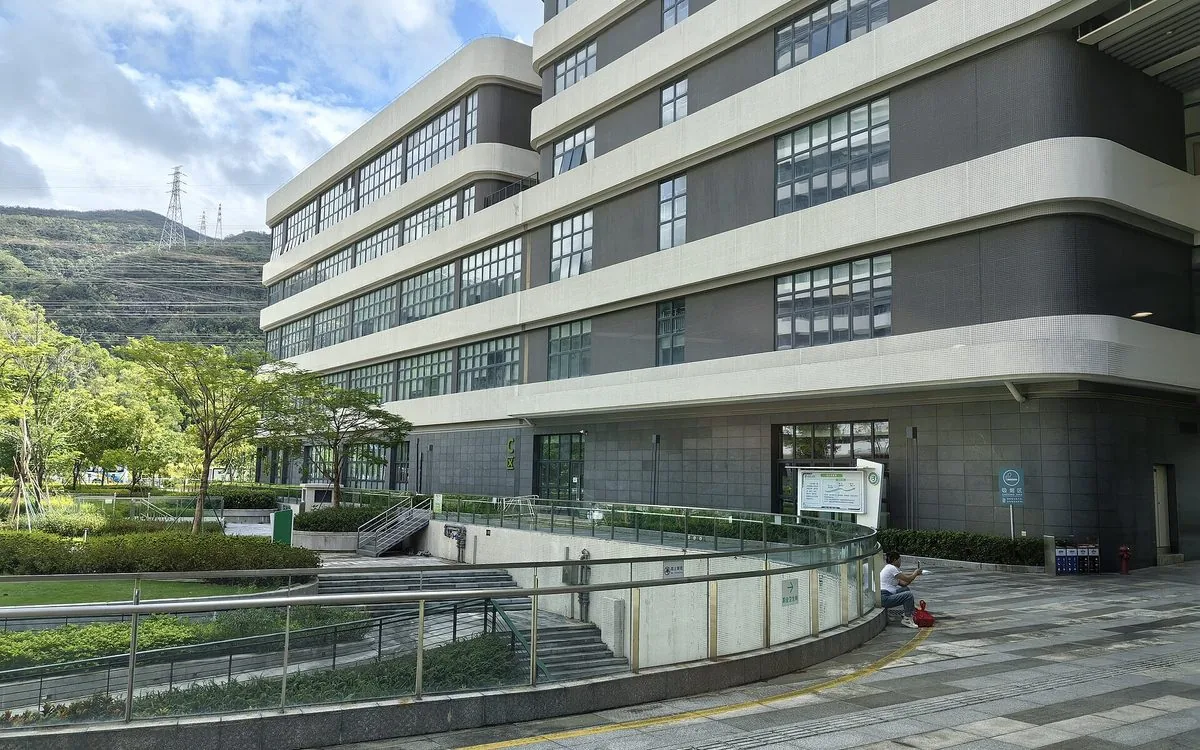
Shenzhen Qianhai Taikang Hospital
Shenzhen Qianhai · Guangdong-Hong Kong-Macao Greater Bay Area
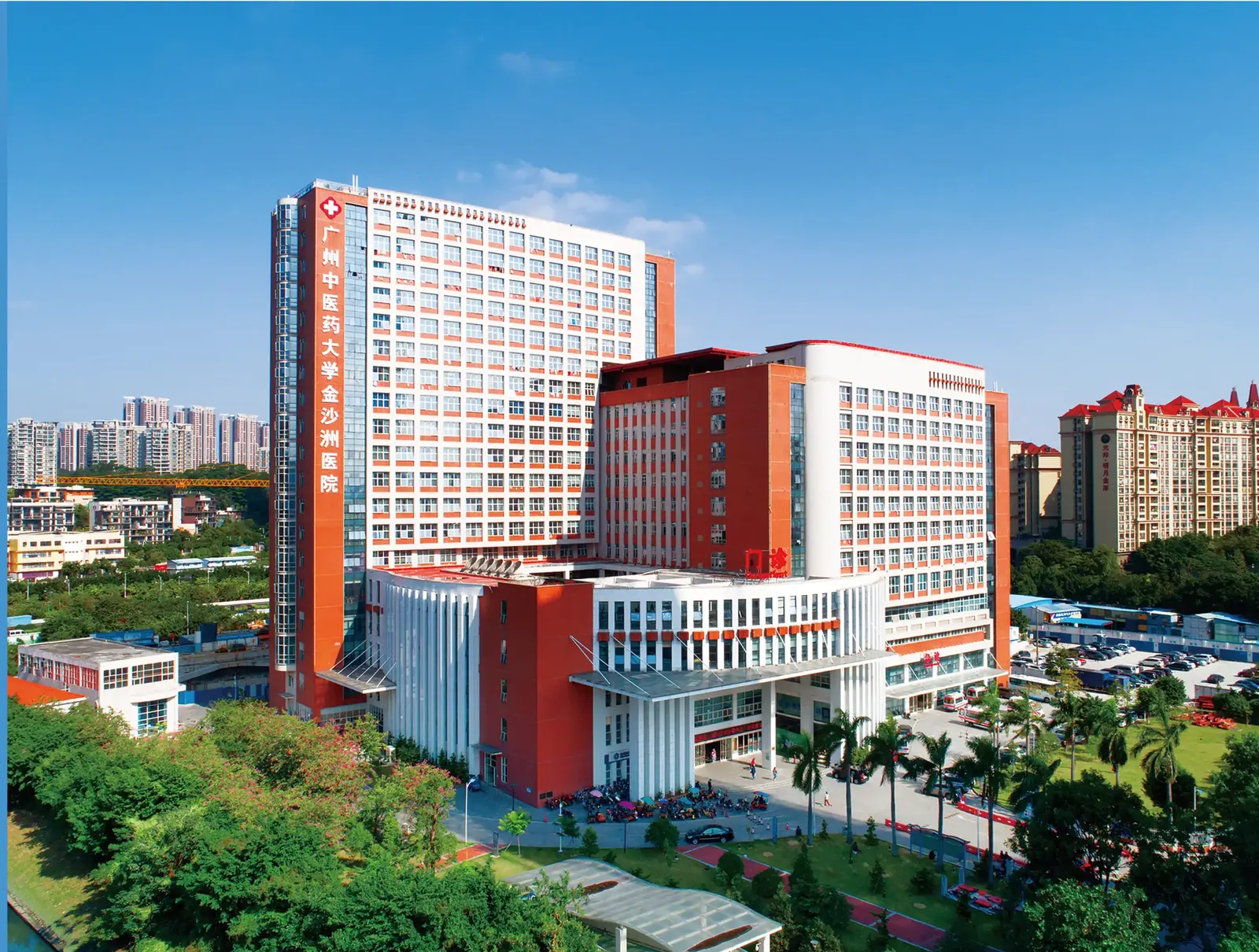
Jinshazhou Hospital of Guangzhou University of Chinese Medicine
No. 1 Lichuandong Street, Jinshazhou, Baiyun District, Guangzhou
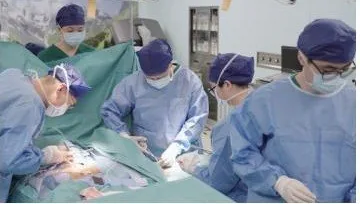
Professor Chen Kailin, Director of Thoracic Surgery, together with Professor Wu Jin, Director of Nephrology, successfully performed a mediastinal mass resection without entering the chest cavity for a patient with a mediastinal mass — the first transsternal resection of an ectopic mediastinal parathyroid in Shenzhen. The patient, a 50-year-old man from Hunan, had been receiving dialysis for more than ten years because of kidney failure; from 5 years earlier he had developed generalised itching, bone pain, osteoporosis and resistant hypertension, and was diagnosed with secondary renal hyperparathyroidism. The operation resolved the unexplained hyperparathyroidism that had troubled the patient for years.
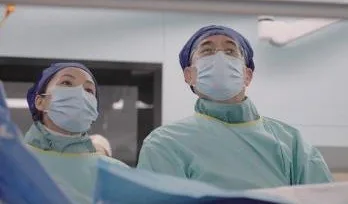
Performed Shenzhen's first transcatheter aortic valve replacement (TAVR) with cerebral protection, a procedure described as "micro-sculpture of the heart". It gave a new lease of life to a 76-year-old patient with severe aortic stenosis and end-stage chronic heart failure, and filled a gap in this technology in Shenzhen.
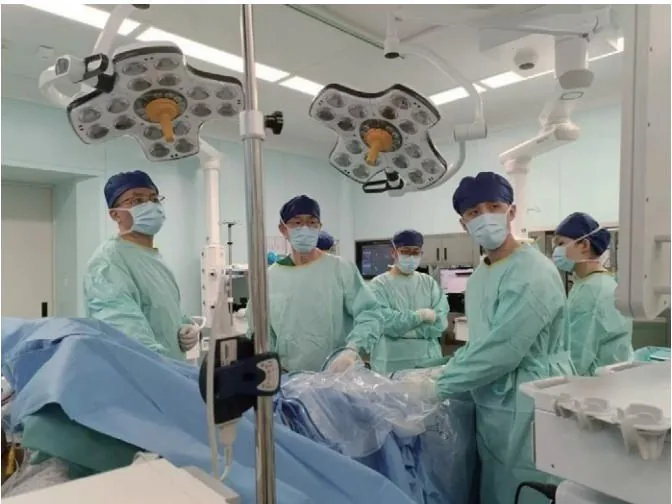
Performed the first arthroscopic anterior cruciate ligament reconstruction in Guangdong Province (double-bundle LARS ligament reconstruction), using an innovative technique with a tolerance of only 1 millimetre to help a 35-year-old badminton player with a torn anterior cruciate ligament and a meniscal tear return to competition sooner.
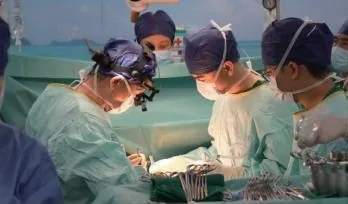
Successfully repaired the "ruptured" heart of a 37-year-old man admitted as an emergency. The patient had a ruptured aortic sinus aneurysm with secondary acute right heart failure and liver and kidney injury; emergency repair of the ruptured aortic sinus aneurysm, tricuspid valvuloplasty and pacemaker implantation were performed, saving his life.
The content and images above are taken from Shenzhen Qianhai Taikang Hospital Introduction (pages 14–18), publicly disclosed material of the hospital. Statements such as “first in the region” reflect the official position of the hospital; this site transcribes them as published and neither verifies nor endorses them. Any choice of treatment and its outcome must be determined independently by the treating physician team of the receiving hospital on the basis of the patient’s findings on site.
For patients with leukaemia, lymphoma, myeloma and advanced solid tumours whose options have been exhausted. China has the world's densest pipeline of CAR-T targets under investigation, and specialty drug costs are only about 1/3 of those in Europe and the United States.
Direct connection to Shanghai Proton and Heavy Ion Center and national proton centres. For head and neck tumours, chordoma and paediatric solid tumours, the "Bragg peak" delivers pinpoint destruction while maximising preservation of organ function.
Asia-leading cardiac surgery centres such as Fuwai Hospital and Anzhen Hospital perform tens of thousands of operations a year. Their experience in minimally invasive TAVR valve replacement for elderly patients and in complex congenital heart correction ranks among the world's foremost.
The neurosurgery departments at Tiantan Hospital and Huashan Hospital specialise in brainstem cavernous malformations, craniopharyngioma and glioma, pursuing extreme total resection with neural preservation under intraoperative neurophysiological monitoring.

Understanding the concerns of Malaysia's diverse communities, YILV CHINA has established dedicated Halal living support at its medical collaboration bases across China:
We completely break the layered-commission practices of overseas agencies. Every expense is separate, transparent and verifiable, with statutory national invoices and corporate receipts issued along the entire chain.
All test, surgical, medication and inpatient costs are settled by the patient or family directly at the cashier of the Grade 3A public hospital (credit card, UnionPay or international wire transfer accepted).
Third-party travel costs such as international flights, caregiver apartments and medical transfer cars are booked by the family at published market prices or reimbursed at cost, and are never bundled into a sale.
A dedicated staff member helps issue bilingual discharge summaries, itemised Chinese-English statements and attending-physician signed certificates that meet claim standards.
Submitting for initial review is 100% free. Our Malaysia-China medical team conducts an initial screening on a confidential basis. To start record restructuring, specialist review and submission/hospital coordination, only a transparent, clearly stated fixed service fee of $300 USD (approx. RM 1,400) applies. If the assessment finds no medical value, a refund is promised under the terms, with no subsequent add-ons; once hospital coordination and record registration are complete, the service ends.